Source Auto Reset Electronic Mouse Trap for Warehouses, Homes, and Farms
Compare 23 auto reset electronic mouse trap options from verified suppliers. Buyers can evaluate specifications, pricing, and customization features for indoor and outdoor rodent control needs.
Key considerations
Products List




Comprehensive Sourcing Guide
Strategic Sourcing Guide for Auto-Reset Electronic Mouse Traps
The procurement of auto-reset electronic mouse traps represents a specialized segment within the broader pest control industry, requiring a nuanced understanding of mechanical design, power management, and supply chain reliability. Unlike traditional snap traps or chemical baits, electronic solutions offer a distinct value proposition through their ability to automatically reset after a capture event, thereby reducing the frequency of manual intervention. For buyers in the B2B sector, navigating this market involves balancing technical specifications with rigorous supplier vetting. This guide synthesizes available product data and industry standards to provide a structured approach for sourcing these devices effectively, ensuring that procurement decisions are grounded in verifiable facts rather than marketing assertions.
Technical Specifications and Operational Mechanics
When evaluating auto-reset electronic mouse traps, the primary focus must be on the mechanical architecture and power systems that enable autonomous operation. The core functionality relies on a sensor mechanism that detects the presence of a rodent, triggers an electrification or trapping event, and then automatically resets the mechanism for the next capture. In the current market, materials play a critical role in the durability and safety of these units. Observed product data indicates that high-quality traps often utilize ABS Plastic or PP (Polypropylene) for their housing. These materials are selected for their impact resistance, chemical stability, and ability to withstand the electrical components housed within.
The physical dimensions of the trap are equally significant, as they dictate the placement options and the volume of the capture chamber. Available specifications show a wide variance in size, ranging from compact units measuring approximately 1154 cm to larger industrial models reaching 1407568 mm. This diversity suggests that buyers must align the physical form factor with their specific deployment environment. For instance, a model with a standard of 34.59.710.5 cm may be suitable for larger rodents or industrial settings, while smaller dimensions might be preferred for residential or confined spaces.
Power management is another critical technical specification. The product data explicitly notes that many units in this category are Non-Rechargeable, relying on standard battery configurations. This distinction is vital for long-term operational planning, as it influences the maintenance cycle and total cost of ownership. Buyers should verify the battery type and expected lifespan, as well as the power consumption rates, to ensure the device can operate continuously without frequent human intervention. Additionally, the physical form is consistently listed as "Solid," indicating a robust construction designed to withstand the forces generated during a capture event.
Compliance, Safety Standards, and Certification Verification
Navigating the regulatory landscape for pest control devices requires a thorough understanding of local and international safety standards. While specific certification numbers are not universally applicable to every product, buyers must verify that the devices meet the electrical safety standards of the destination market. The product data highlights that certain units are designed for "Indoor" or "Indoor, Outdoor" use, which implies different environmental resistance ratings. For outdoor applications, the device must be capable of withstanding moisture, temperature fluctuations, and UV exposure.
One of the most critical compliance areas is the electrical safety of the trap. Since these devices often utilize high-voltage pulses to eliminate pests, the insulation and casing must prevent accidental shocks to humans or non-target animals. The material properties, such as the "Moisture Proof" and "Waterproof" characteristics observed in some listings, are essential for maintaining electrical integrity in damp environments. Buyers should request documentation confirming that the electrical components comply with relevant standards, such as UL or CE, depending on the target region.
Furthermore, the environmental impact of the device is a growing concern. The "Eco-Friendly" attribute observed in some product listings suggests that manufacturers are increasingly focusing on non-toxic, reusable solutions. However, buyers must distinguish between marketing claims and verified environmental certifications. The absence of specific certification data in the general product list necessitates a direct inquiry to the supplier regarding the disposal of batteries and the recyclability of the ABS or PP plastic components. Ensuring that the device does not release harmful substances during operation or disposal is a key compliance requirement for modern procurement.
Cost Drivers and Pricing Dynamics
The pricing of auto-reset electronic mouse traps is influenced by a complex interplay of factors, including material costs, manufacturing complexity, and order volume. The observed price range in the market spans from $0.15 to $65 per unit, a significant variance that reflects differences in quality, features, and scale. Lower-priced units typically represent basic models with standard battery life and minimal features, while higher-priced units may incorporate advanced sensors, durable housing, or specialized resetting mechanisms.
Order volume is a primary driver of cost efficiency. The Minimum Order Quantity (MOQ) data indicates a range from 50 to 3000 pieces. Suppliers often offer tiered pricing structures where the unit cost decreases significantly as the order volume increases. For example, an order of 3000 pieces may qualify for a substantially lower per-unit price compared to a sample order of 50 pieces. Buyers must carefully calculate the total cost of ownership, factoring in the MOQ requirements, shipping costs, and potential inventory holding costs.
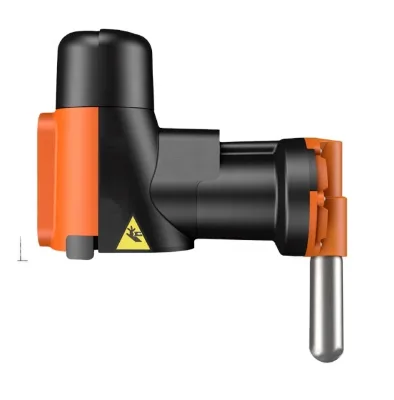
Additionally, the complexity of the customization available can impact the final price. The product data confirms that customization is available, which may include branding, specific color schemes (such as Black or Black and Orange), or tailored dimensions. Customization typically incurs additional tooling and setup costs, which can raise the unit price. Buyers should weigh the benefits of a customized product against the potential increase in cost and the impact on lead times. Understanding these cost drivers allows procurement teams to negotiate more effectively and select the most economically viable solution for their specific needs.
Typical Applications and Deployment Scenarios
The versatility of auto-reset electronic mouse traps makes them suitable for a wide array of applications, from residential settings to large-scale industrial facilities. The product data indicates that these traps are effective against "Mouse," "Mice," and "Rodents," suggesting broad applicability across different pest control scenarios. The "Immediate" effectiveness noted in some listings highlights their suitability for situations requiring rapid pest elimination, such as food processing plants or warehouses where infestations can escalate quickly.
Deployment scenarios are heavily influenced by the physical form and environmental rating of the trap. Units rated for "Indoor" use are ideal for offices, homes, and retail spaces where aesthetics and safety are paramount. In contrast, traps designed for "Indoor, Outdoor" use are better suited for agricultural settings, storage yards, or exterior building perimeters. The "Sticky mouse" attribute observed in some data points suggests that certain models may utilize adhesive mechanisms in conjunction with electronic triggers, offering a non-lethal or alternative capture method for specific applications.
The "Target Pests" being rodents further expands the potential use cases to include grain storage, logistics centers, and commercial kitchens. In these environments, the ability of the trap to reset automatically is a significant advantage, as it ensures continuous protection without the need for constant monitoring. Buyers should assess the specific pest pressure in their facilities and select traps that offer the appropriate balance of size, power, and reset capability to meet their operational requirements.
Supplier Evaluation and Quality Assurance
Selecting the right supplier is a critical step in the procurement process, particularly for electronic devices that require consistent performance and safety. The product data reveals that the origin of these traps is primarily China, with specific mentions of Fujian as a manufacturing hub. While this provides a clear geographical context, buyers must conduct thorough due diligence to ensure the supplier meets quality and reliability standards.
Key evaluation criteria should include the supplier's production capacity, quality control processes, and track record in the pest control industry. The "Packing" specifications, such as "1 Pack," "Carton," or specific counts like "96PCS/CTN" and "100PCS/CTN," provide insight into the supplier's logistics capabilities and packaging standards. Buyers should verify that the packaging is robust enough to protect the electronic components during transit, especially for international shipments.
Quality assurance should also extend to the materials used. The consistent use of ABS Plastic and PP in the product data suggests a standard baseline for durability, but buyers should request material safety data sheets (MSDS) to confirm the quality and safety of these inputs. Additionally, the "Feature" list, which includes attributes like "Anti-Rust" and "Fire-Proof," should be verified through independent testing reports. Suppliers who can provide evidence of these claims, such as test results or third-party certifications, are more likely to deliver high-quality products that meet the buyer's expectations.
Long-Term Procurement Considerations and Sustainability
Sourcing auto-reset electronic mouse traps is not merely a one-time transaction but a long-term partnership that requires strategic planning. The "Rechargeable: Non-Rechargeable" attribute highlights a potential sustainability challenge, as the reliance on disposable batteries can lead to increased waste and higher long-term operating costs. Buyers should consider the environmental impact of battery disposal and explore options for suppliers who offer eco-friendly battery solutions or recycling programs.
Furthermore, the "Customization" availability offers an opportunity for buyers to align the product with their corporate sustainability goals. Customizing the trap to include specific branding or materials that are easier to recycle can enhance the company's environmental profile. Buyers should also consider the lifecycle of the product, including the ease of repair and the availability of replacement parts. A trap that is designed for longevity and easy maintenance will reduce the frequency of replacement and contribute to a more sustainable procurement strategy.
In conclusion, the procurement of auto-reset electronic mouse traps requires a comprehensive approach that balances technical specifications, compliance requirements, cost considerations, and supplier reliability. By carefully evaluating the available data and adhering to rigorous quality standards, buyers can secure a supply chain that delivers effective, safe, and sustainable pest control solutions. The dynamic nature of the market, with its varying price points and MOQs, demands a flexible and informed procurement strategy that adapts to the specific needs of the organization.
FAQs
What materials are used for auto reset electronic mouse traps?
These traps typically use ABS Plastic or PP for housing. The materials provide impact resistance and chemical stability required for electronic components. Some units also feature moisture-proof and waterproof characteristics for durability.
Can these traps be customized for specific branding needs?
Yes, customization is available for these products. Buyers can request specific color schemes like black or black and orange. Customization may involve branding and tailored dimensions to meet specific operational requirements.
What is the minimum order quantity for purchasing these traps?
The minimum order quantity ranges from 50 to 3000 pieces depending on the supplier. Some specific models require a minimum of 3000 pieces. Lower quantities may be available for sample orders or different product lines.
Where are these traps manufactured and what is the origin?
The traps originate from China, with specific manufacturing hubs in Fujian. The location data confirms domestic production within this region. Buyers should verify specific factory locations for shipping and compliance purposes.
How are these traps packaged for international shipping?
Packaging varies by model, ranging from single packs to cartons containing 96 to 500 pieces. Specific carton sizes and gross weights are provided for logistics planning. The packaging is designed to protect electronic components during transit.
Are these traps rechargeable or do they use disposable batteries?
Many units in this category are non-rechargeable and rely on standard battery configurations. This affects the maintenance cycle and long-term operational costs. Buyers should verify battery types and expected lifespan for their specific needs.
What pests do these traps effectively target?
These traps are designed to target mice, rodents, and similar pests. The effectiveness is often described as immediate for rapid elimination. They are suitable for various environments including indoor and outdoor settings.